Reading Huáng Yuányù’s Binomes As Descriptions of Processes of Becoming Rather Than Static States

2026-07-07T18:25:55-04:00By |Blog, Books, Chinese Translation, Famous Doctors, Huang Yuanyu, Uncategorized|

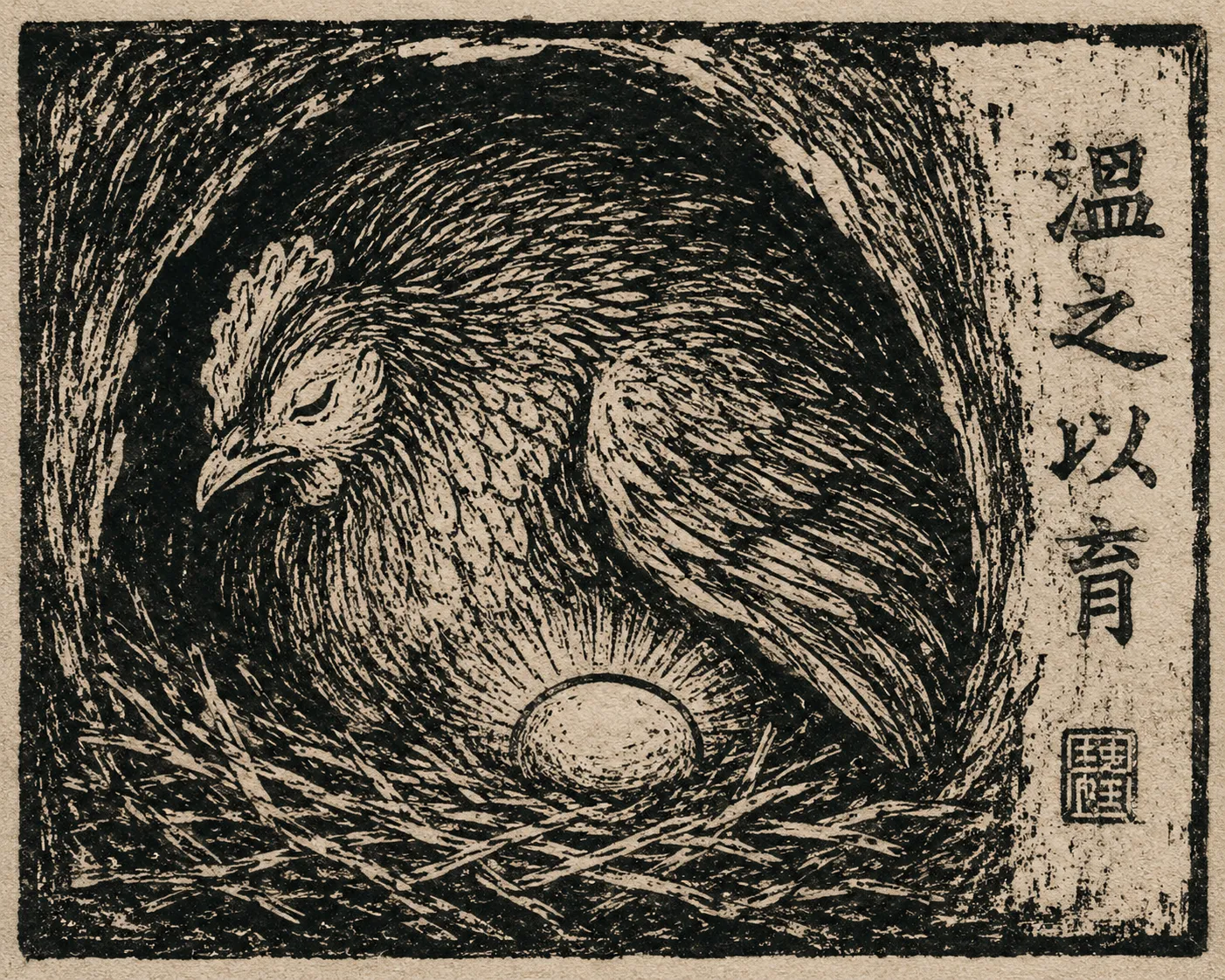
Translating Huáng Yuányù means resisting the urge to read his two-character expressions as single, fixed words. Take wēn nuǎn (溫暖), usually just "warm": read separately, wēn is warmth being incubated, nuǎn is warmth becoming life-giving. The binome describes a process, not a state. This pattern (an action followed by its natural consequence) recurs across Huáng's language, from shū xiè (untangling, then release) to chén sù chán mián (a disease that ages, lodges, clings, then persists). Asking why Huáng chose two characters instead of one has reshaped how I read his physiology and pathology.
Huáng Yuányù’s Profound Imagery

2026-05-10T00:42:21-04:00By |Blog, Books, Chinese Translation, Famous Doctors, Huang Yuanyu, Neijing, Obstetrics|

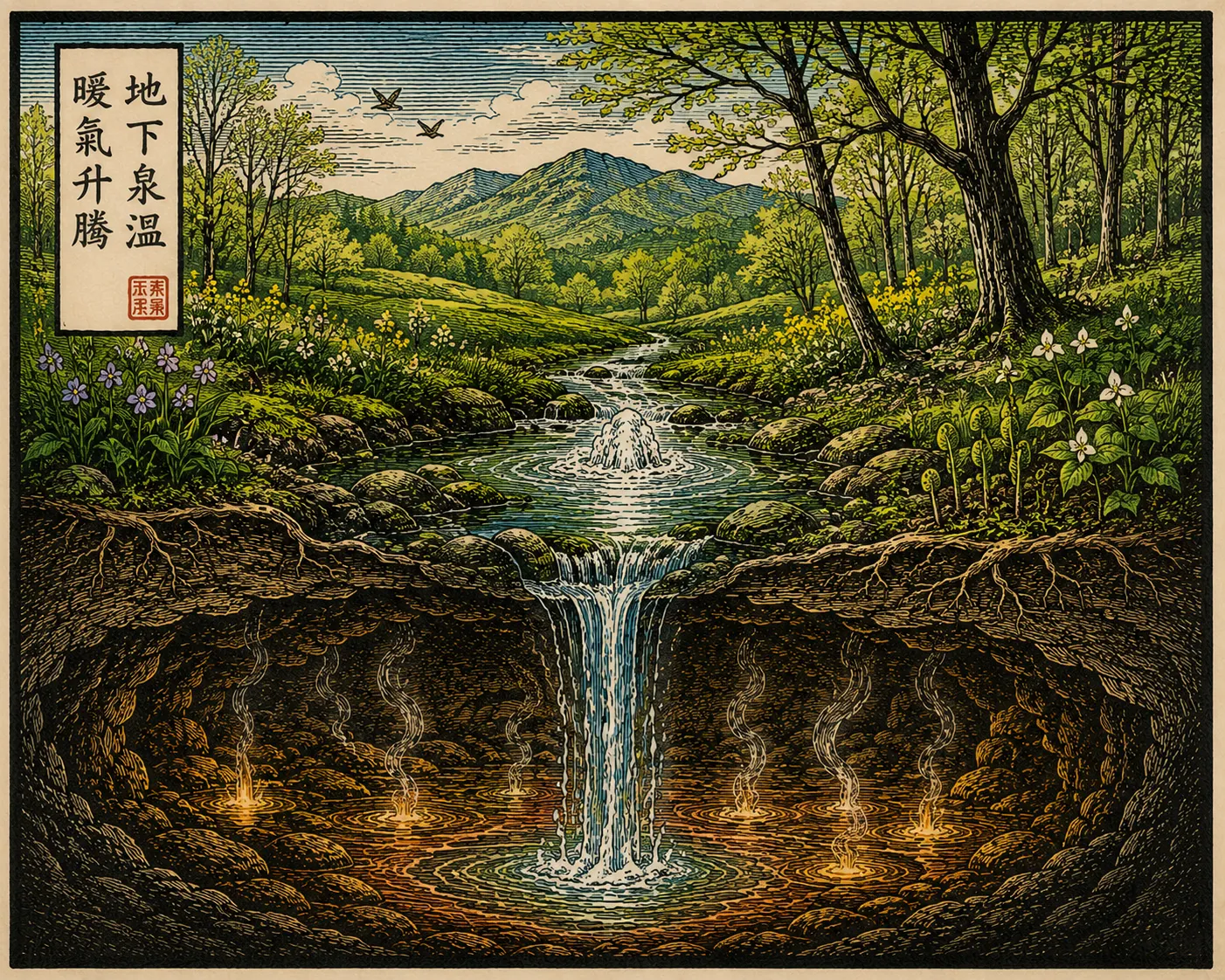
A reflection on a passage from Huáng Yuányù's Heart Source of the Four Sages, centered on one image: underground springs stay warm through winter, making spring possible from within, not from external sunlight. Huáng applies this to fertility and blood physiology, arguing that life, whether seasonal or bodily, depends on preserved internal warmth rather than outside stimulation. Living on a farm makes the medicine viscerally legible.

Using Zhīzǐ Gāncǎo Tāng in a Case of Esophageal Pain

2026-06-17T18:46:52-04:00By |Blog, Chinese Translation, Classic Formulas, Individual Herbs|

Sharon is teaching a free, short class on the herb zhīzǐ on February 18th at noon EST, part of the Single Herb Series and open to White Pine Inner Circle members. Though zhīzǐ doesn't head one of the Ten Key Formula Families, Sharon considers it a profoundly important medicinal in her clinic. The class covers how to recognize when to use zhīzǐ and how it appears in classical formulas.

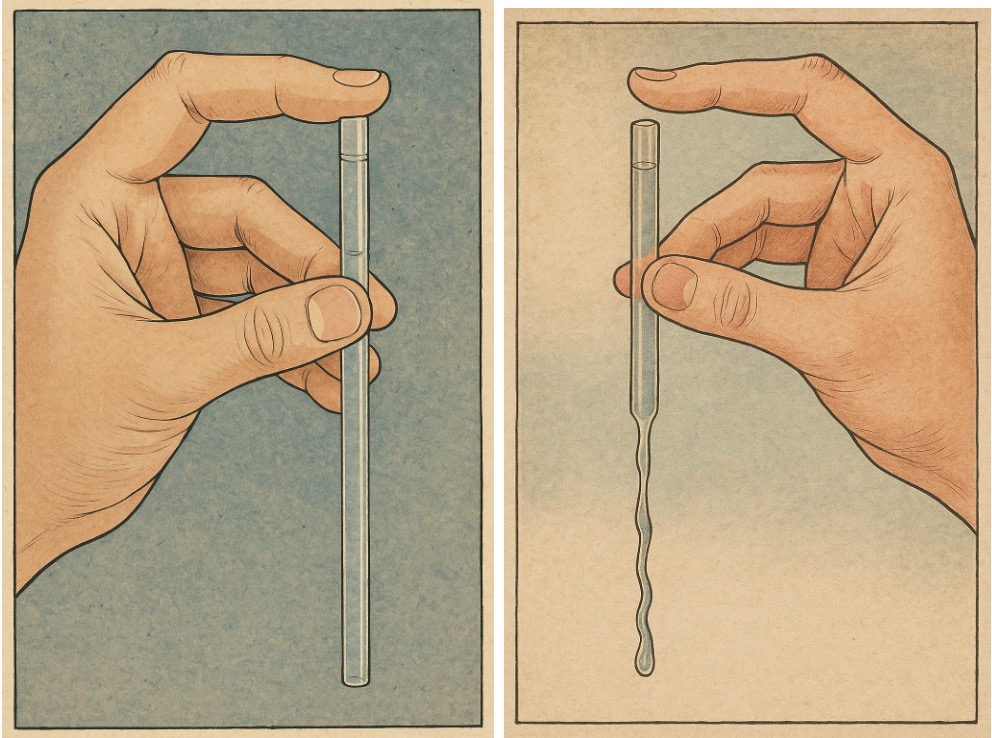
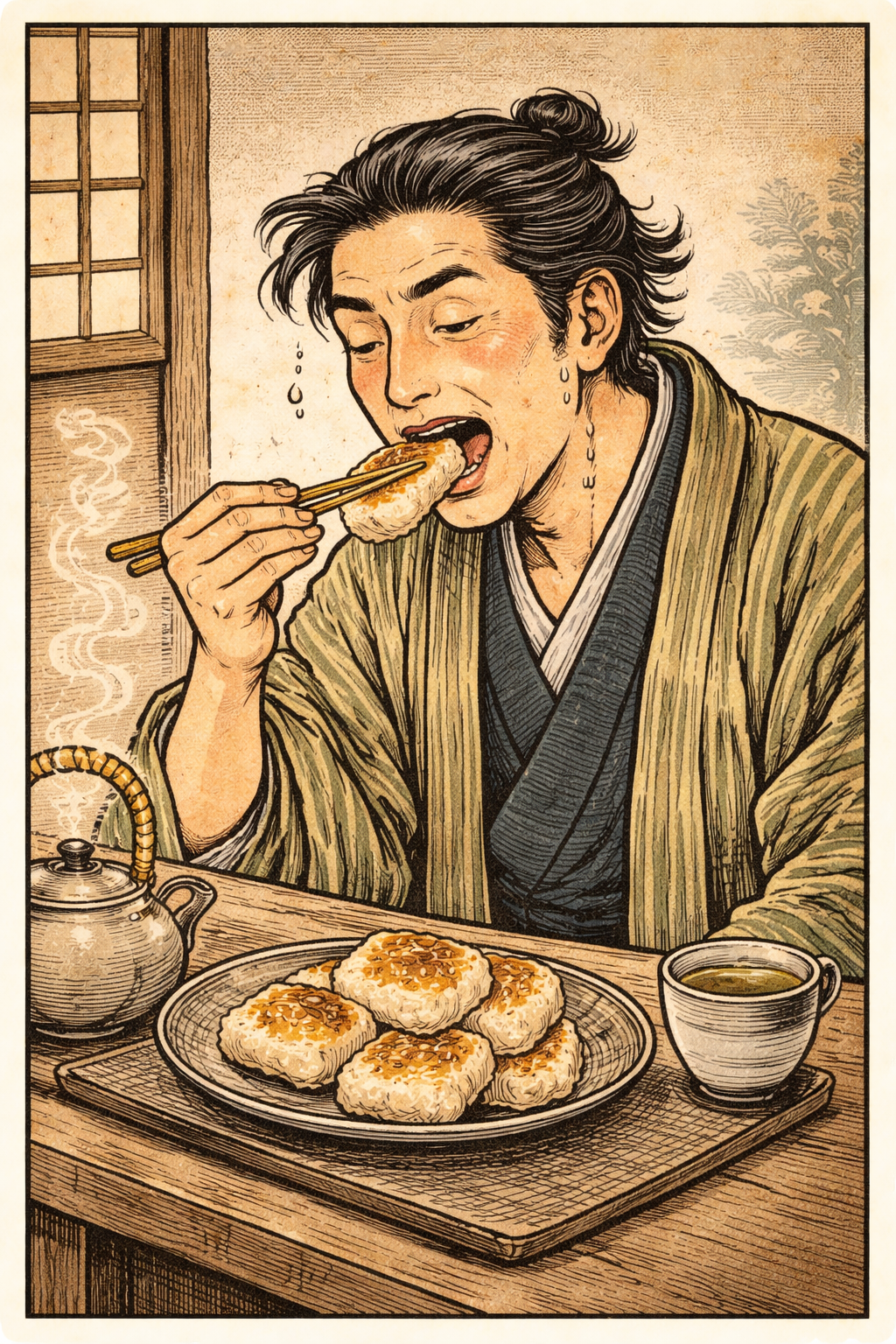
To preview its use for esophageal pain, the post shares a case by Dr. Qi, who burned his esophagus swallowing a hot rice cake and treated the resulting chest obstruction and pain with zhīzǐ chǐ tāng (substituting gāncǎo for the missing xiāng chǐ), with remarkable results after a single dose.

Core Thinking of Huáng Yuányù’s One Qi Flowing in an Unbroken Cycle

2026-01-17T19:34:22-05:00By |Blog, Books, Chinese Translation, Classic Formulas, Huang Yuanyu|

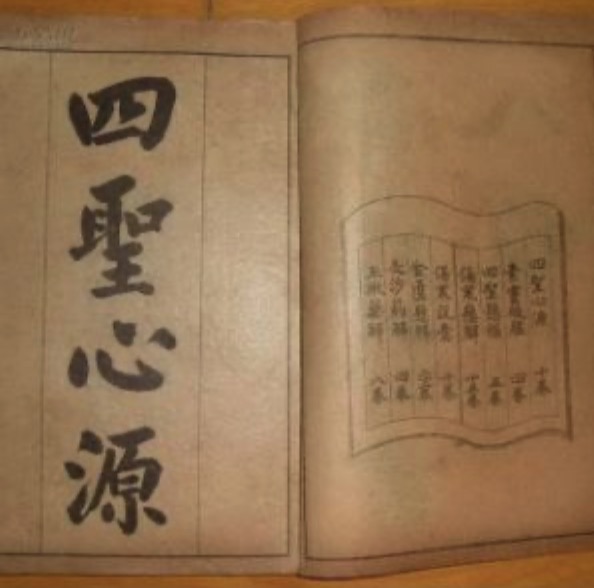
This post introduces a new translation project focused on the Qing-dynasty physician Huáng Yuányù, whose work offers a strikingly coherent vision of physiology rooted in the unity of qi. Rather than proposing a formal doctrine, Huáng consistently explains health and disease through the smooth—or disrupted—circulation of a single qi, governed by ascent and descent around the spleen–stomach axis. The modern phrase “one qi flowing in an unbroken cycle” is a later synthesis of this core insight. Drawing from Huáng’s life, influences, and clinical thinking, the article explores how illness arises when qi cannot rise or descend freely, and how treatment aims not at isolated symptoms but at restoring the continuity of movement itself. Huáng distilled this perspective in his seminal work Sì Shèng Xīn Yuán, demonstrating how simple formulas, precisely applied, can produce profound results. For the translator, Huáng Yuányù’s thinking resonates deeply with a contemporary, systems-based understanding of medicine. This first translated excerpt offers a glimpse into a classical voice that feels unexpectedly current—and sets the stage for further exploration of his work.

Preface for New Enriching Case Record Book

2026-06-17T18:46:15-04:00By |Blog, Books, Chinese Translation, Classic Formulas|

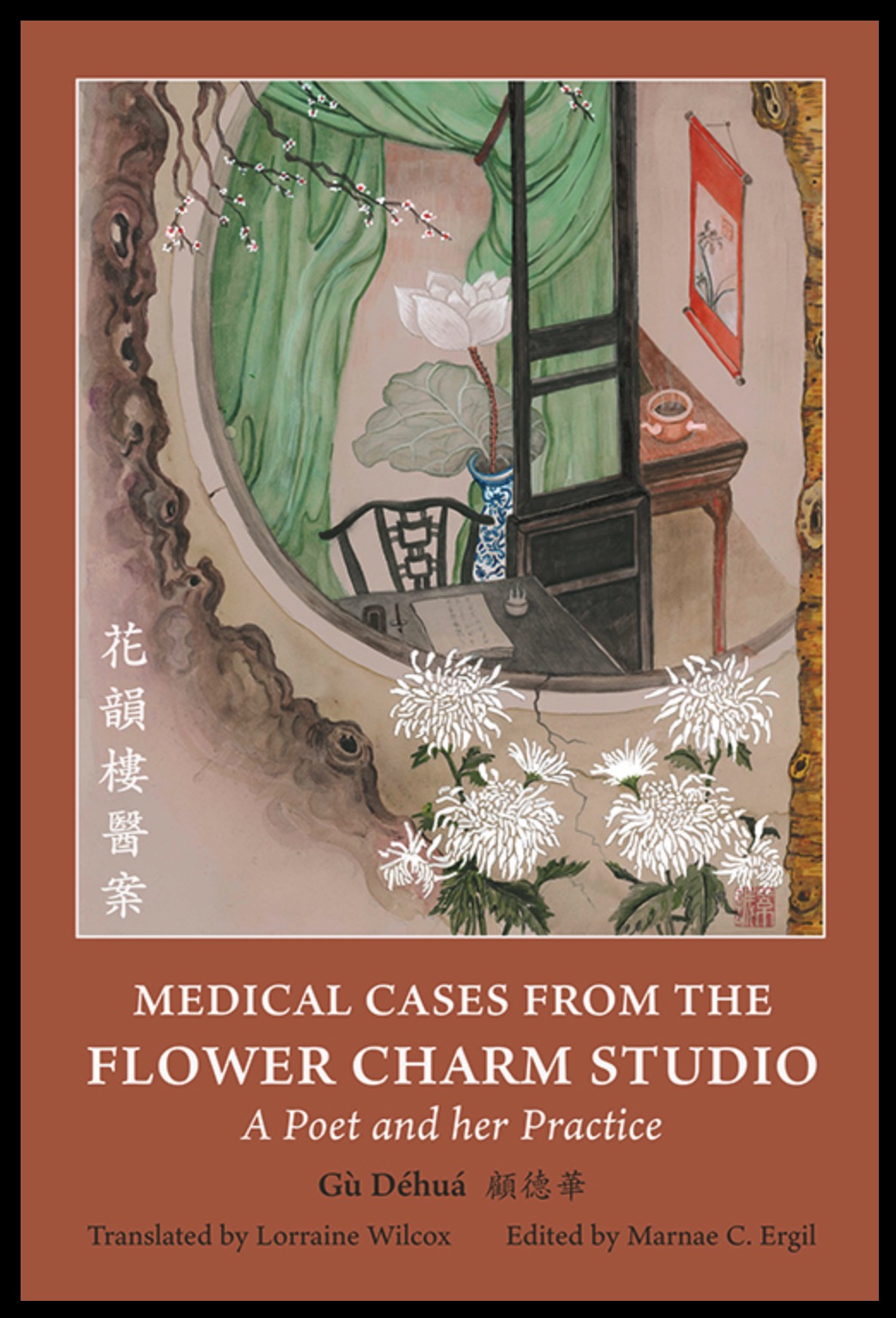
Here is the preface to Medical Cases from the Flower Charm Studio by Gù Déhuá, translated by Lorraine Wilcox and edited by Marnae Ergil, now available from the Purple Cloud Institute.

The text records twenty-nine of Dr. Gù's complex and often dangerous cases. Unlike the brief records typical of her contemporaries, Dr. Gù walks the reader through up to fifteen encounters with a single patient, revealing how each case shifts over time and explaining her understanding of the evolving pathomechanism. Wilcox adds her own notes on language, pathology, and historical context. Sharon highlights Dr. Gù's clarity and courage in critical, life-threatening situations, her mastery of warm disease formulas, and her particular skill with the delicate work of treating phlegm-fire. Wilcox's introduction is a critical essay on the history of women as physicians in China, who filled an essential role yet were widely held in contempt. A literate, trained general physician who treated women for all illnesses, Dr. Gù stands as an inspiration to present-day practitioners, and this translation is a gift to the profession.

Zhīzǐ Gānjiāng Tāng for Overthinking Insomnia

2026-06-17T18:48:20-04:00By |Blog, Chinese Translation, Classic Formulas, Diagnosis, Individual Herbs, Our Courses|

Sharon explores Zhīzǐ Gānjiāng Tāng, a "teeny-tiny" two-herb formula of zhīzǐ (3 g) and gānjiāng (6 g), mentioned only in clause 80 of the Shānghán Lùn for the case where body heat and slight vexation remain after strong purgation.

She unpacks the pattern: strong purgation creates a new blockage in the middle-soil and shàoyáng pivot, trapping heat that wafts upward as vexation. Unlike the deeper Zhīzǐ Chǐ Tāng pattern (a heart-kidney disconnection that brings nighttime anguish), this is a shàoyáng/soil pattern. Here gānjiāng works not to warm a cold middle but to open it so zhīzǐ can descend the floating heat, drawing on the perspective of Dr. Tán Jiézhōng.

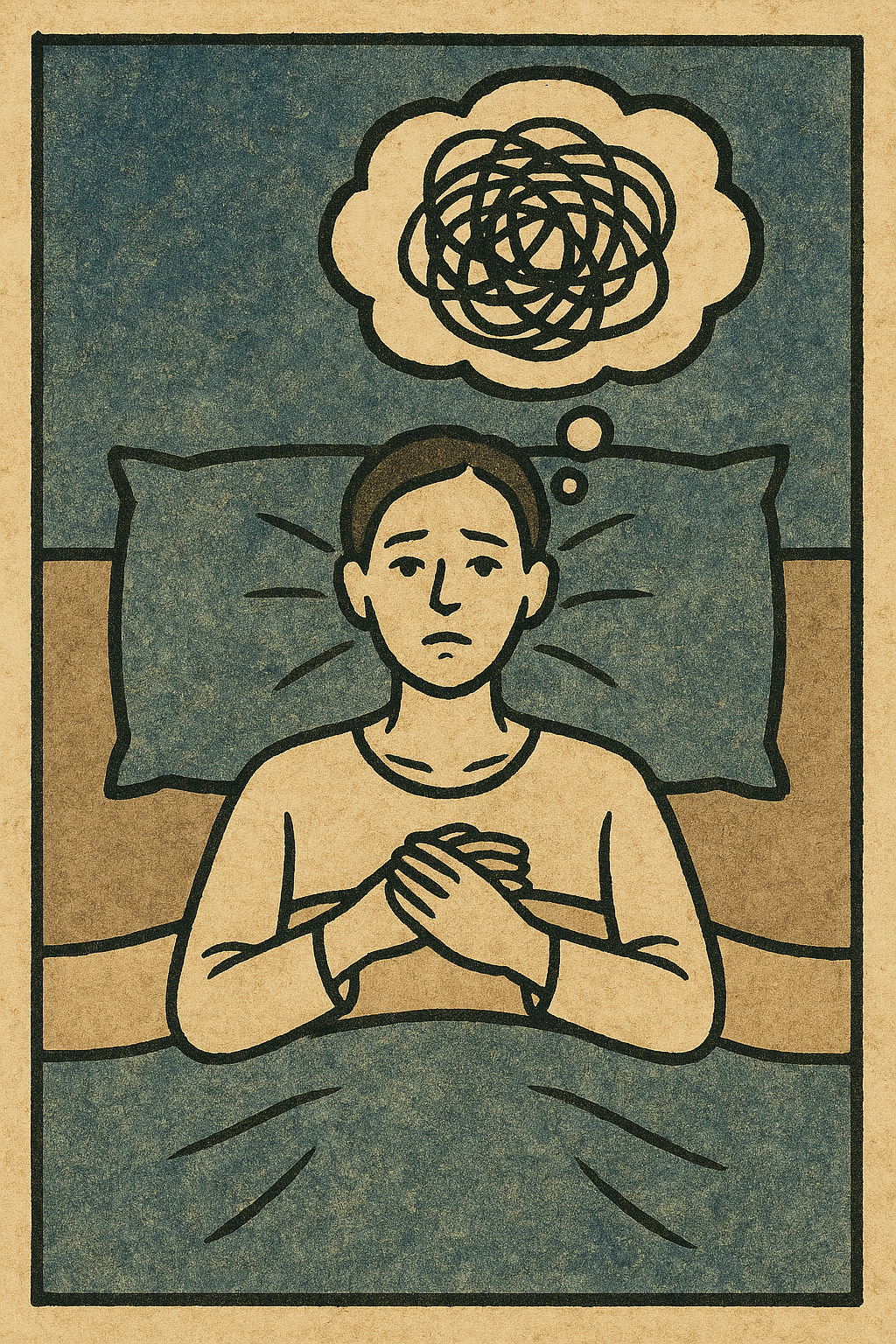
Clinically, Sharon reaches for this formula with insomnia marked by unstoppable, non-distressing thinking: patients who can't fall asleep or wake with a restless mind that won't quiet. Being small and light, it pairs easily with formulas like Xiǎo Cháihú Tāng, Sì Nì Sǎn, or Cháihú Guìzhī Tāng, and works well as a late-afternoon tea.

Zǐwǎn (紫菀, Aster tataricus) for Constipation

2025-11-24T10:02:08-05:00By |Blog, Chinese Translation, Individual Herbs, Opening Through|

I am currently in a translation workshop, led by Stephen Boyanton, with Lorraine Wilcox and others. The quirky cases Lorraine shares are a constant delight for the participants. Recently, she shared a case in which the doctor spun the patient on a home-made wheel until he vomited to obtain a cure for the patient’s insanity. In another case, the patient had a lump due to grief, and the doctor successfully treated him by teasing him until he laughed so hard he could barely stand it. These cases are wonderful and will hopefully find their way into a book for all to enjoy and learn from.

Today, Lorraine posted this case in our new White Pine Circle Translation Support Group. It is from Volume 2 of 俞弁《續醫說》 Xù Yī Shuō by Yú Biàn (1522, Míng):

宋蔡元長苦大便秘,國醫用藥,俱不能通利,蓋元長不肯服大黃故也。時史載之未知名,往謁之閽者,齟齬久之,乃得見既而診脈,史欲出奇曰:請求二十文錢。元長問何為,曰:欲市紫菀耳。

(Northern Sòng dynasty prime minister) Cài Yuánzhǎng suffered constipation. The Imperial Doctors used herbs, but nothing could free his stool. It was probably because Cài Yuánzhǎng was not willing to take dàhuáng. At the time, Shǐ Zàizhī was not a well-known doctor. He called on Cài, but the gatekeeper argued with him for a long time. Eventually, Shǐ got to see Cài and took his pulse. Shǐ was about to leave and strangely asked for 20 coins. […]

Go to Top