Topics in Chinese Medicine Blog

Reflections on the wisdom, practice, and living tradition of Chinese Medicine

Huáng Yuányù’s Profound Imagery

2026-05-10T00:42:21-04:00By |Blog, Books, Chinese Translation, Famous Doctors, Huang Yuanyu, Neijing, Obstetrics|

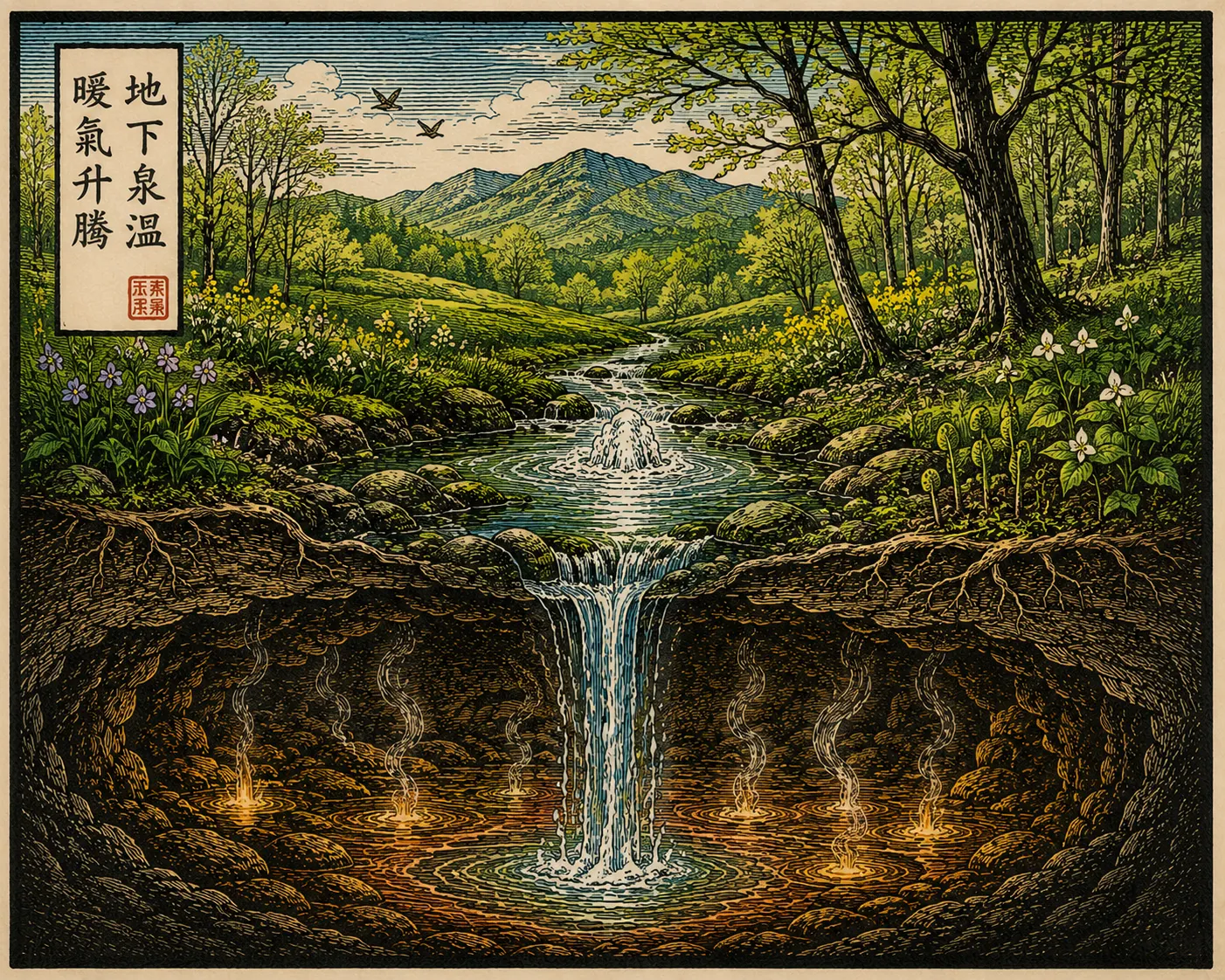
A reflection on a passage from Huáng Yuányù's Heart Source of the Four Sages, centered on one image: underground springs stay warm through winter, making spring possible from within, not from external sunlight. Huáng applies this to fertility and blood physiology, arguing that life, whether seasonal or bodily, depends on preserved internal warmth rather than outside stimulation. Living on a farm makes the medicine viscerally legible.

Learning from Case Records

2026-04-05T17:38:28-04:00By |Blog, Classic Formulas, Famous Doctors, Our Courses|

Considering the illness that is related to this formula, I could see Zhang and Lu’s words are authenticated.  Looking back I can see that for the first dose, Da Qing Long Tang was the correct formula.  Yet even though the formula pattern was correct, death was not avoided.  It is not that the herbs in this formula are deadly.  It was the application of them that was deadly.  This was a serious disease that required strong herbs.  But I did not observe the rules for safety vs. danger.  Ma Huang is able to cause a person to sweat but too much sweating plunders the Yang.  I gave 6 qian of Ma Huang combined with Gui Zhi.  How was this going to guard against a big sweat?  Moreover, in regard to the method after taking the herbs, the Shang Han Lun clearly warns that “If there is recovery, sweating once again will damage the Yang.”  I did not tell them that they should not repeat the herbs if there was sweating.  This lead to a situation in which they gave herbs after the sweating and the Yang was damaged leading to death.  This formula should not be taken again with these dosages because it can damage the Yang.  One must give advanced notice about the conditions and safety measures for after taking these herbs.  One should prepare a Si Ni type formula beforehand and give this to the patient, being prepared for any contingency because cold limbs with a pulse on the verge of expiring can be cured.  This failure to carry out the above plan caused a gross error and was due to my own barbaric ignorance.

Using Zhīzǐ Gāncǎo Tāng in a Case of Esophageal Pain

2026-06-17T18:46:52-04:00By |Blog, Chinese Translation, Classic Formulas, Individual Herbs|

Sharon is teaching a free, short class on the herb zhīzǐ on February 18th at noon EST, part of the Single Herb Series and open to White Pine Inner Circle members. Though zhīzǐ doesn't head one of the Ten Key Formula Families, Sharon considers it a profoundly important medicinal in her clinic. The class covers how to recognize when to use zhīzǐ and how it appears in classical formulas.

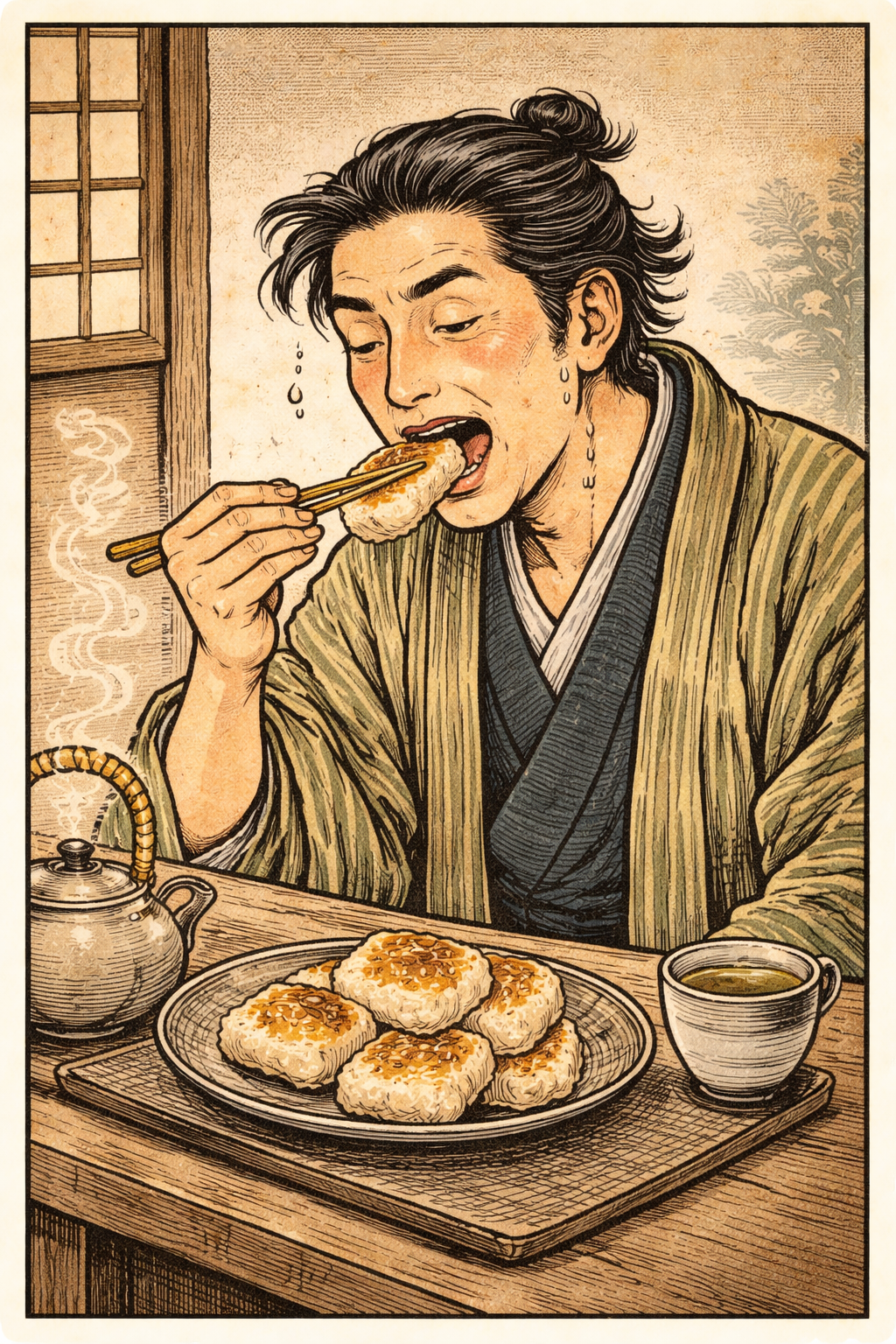
To preview its use for esophageal pain, the post shares a case by Dr. Qi, who burned his esophagus swallowing a hot rice cake and treated the resulting chest obstruction and pain with zhīzǐ chǐ tāng (substituting gāncǎo for the missing xiāng chǐ), with remarkable results after a single dose.

Gratitude and Awe for our Community in Minneapolis

2026-05-10T00:45:50-04:00By |Blog, White Pine Circle|

Read this recap of a gathering with East Asian medicine practitioners in Minneapolis who are navigating ICE activity in their neighborhoods. Rather than needing support, the practitioners ended up offering it, sharing practical, tested strategies for responding safely to ICE presence. I encourage the broader community to watch the recorded conversation and includes verified donation links for Twin Cities mutual aid efforts covering groceries, rent, and direct family support.

Office Hours: Episode 16 – with Sharon Weizenbaum

2026-01-04T19:49:29-05:00By |Featured Pod, Podcast|

They explore what it really means to embody the practice of Chinese medicine. In this conversation, Sharon Weizenbaum joins Angelique Britt and Toby Dalyto reflect on the practitioner’s journey, the inner work required for ethical and effective care, and the responsibility of teaching living traditions. Together, they examine self-acceptance as a cornerstone of clinical skill, the importance of honoring generational knowledge, and why wisdom in Chinese medicine is meant to circulate—not be owned.

Core Thinking of Huáng Yuányù’s One Qi Flowing in an Unbroken Cycle

2026-01-17T19:34:22-05:00By |Blog, Books, Chinese Translation, Classic Formulas, Huang Yuanyu|

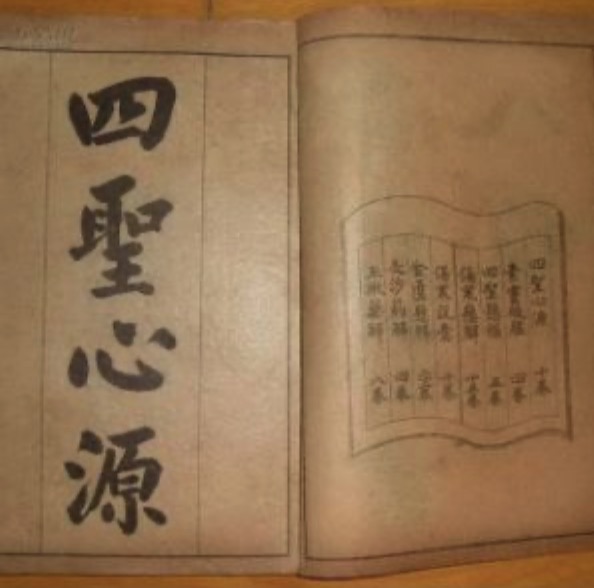
This post introduces a new translation project focused on the Qing-dynasty physician Huáng Yuányù, whose work offers a strikingly coherent vision of physiology rooted in the unity of qi. Rather than proposing a formal doctrine, Huáng consistently explains health and disease through the smooth—or disrupted—circulation of a single qi, governed by ascent and descent around the spleen–stomach axis. The modern phrase “one qi flowing in an unbroken cycle” is a later synthesis of this core insight. Drawing from Huáng’s life, influences, and clinical thinking, the article explores how illness arises when qi cannot rise or descend freely, and how treatment aims not at isolated symptoms but at restoring the continuity of movement itself. Huáng distilled this perspective in his seminal work Sì Shèng Xīn Yuán, demonstrating how simple formulas, precisely applied, can produce profound results. For the translator, Huáng Yuányù’s thinking resonates deeply with a contemporary, systems-based understanding of medicine. This first translated excerpt offers a glimpse into a classical voice that feels unexpectedly current—and sets the stage for further exploration of his work.

Preface for New Enriching Case Record Book

2026-06-17T18:46:15-04:00By |Blog, Books, Chinese Translation, Classic Formulas|

Here is the preface to Medical Cases from the Flower Charm Studio by Gù Déhuá, translated by Lorraine Wilcox and edited by Marnae Ergil, now available from the Purple Cloud Institute.

The text records twenty-nine of Dr. Gù's complex and often dangerous cases. Unlike the brief records typical of her contemporaries, Dr. Gù walks the reader through up to fifteen encounters with a single patient, revealing how each case shifts over time and explaining her understanding of the evolving pathomechanism. Wilcox adds her own notes on language, pathology, and historical context. Sharon highlights Dr. Gù's clarity and courage in critical, life-threatening situations, her mastery of warm disease formulas, and her particular skill with the delicate work of treating phlegm-fire. Wilcox's introduction is a critical essay on the history of women as physicians in China, who filled an essential role yet were widely held in contempt. A literate, trained general physician who treated women for all illnesses, Dr. Gù stands as an inspiration to present-day practitioners, and this translation is a gift to the profession.

Zhīzǐ Gānjiāng Tāng for Overthinking Insomnia

2026-06-17T18:48:20-04:00By |Blog, Chinese Translation, Classic Formulas, Diagnosis, Individual Herbs, Our Courses|

Sharon explores Zhīzǐ Gānjiāng Tāng, a "teeny-tiny" two-herb formula of zhīzǐ (3 g) and gānjiāng (6 g), mentioned only in clause 80 of the Shānghán Lùn for the case where body heat and slight vexation remain after strong purgation.

She unpacks the pattern: strong purgation creates a new blockage in the middle-soil and shàoyáng pivot, trapping heat that wafts upward as vexation. Unlike the deeper Zhīzǐ Chǐ Tāng pattern (a heart-kidney disconnection that brings nighttime anguish), this is a shàoyáng/soil pattern. Here gānjiāng works not to warm a cold middle but to open it so zhīzǐ can descend the floating heat, drawing on the perspective of Dr. Tán Jiézhōng.

Clinically, Sharon reaches for this formula with insomnia marked by unstoppable, non-distressing thinking: patients who can't fall asleep or wake with a restless mind that won't quiet. Being small and light, it pairs easily with formulas like Xiǎo Cháihú Tāng, Sì Nì Sǎn, or Cháihú Guìzhī Tāng, and works well as a late-afternoon tea.

Zhīzǐ Chǐ Tāng for Insomnia with Anguish

2025-12-03T13:56:25-05:00By |Blog, Classic Formulas, Diagnosis|

In the last post, I wrote about two formulas for insomnia, Zhīzǐ Chǐ Tāng and Zhīzǐ Gānjiāng Tāng. Zhīzǐ Chǐ Tāng is an odd, teeny-tiny formula, and the way it works may be difficult to understand, especially the use of dàndòuchǐ, which we probably learned as primarily an herb for resolving the exterior. In this post, I will explain the mechanism of this formula as I understand and use it. How does it treat “anguish in the heart” type insomnia?

Before diving into that, I want to share a recent message from a student who suffered from a rash after a profound loss:

“I kept thinking about how you talked about Zhīzǐ Chǐ Tāng and how it was for anguish in the heart. That word, anguish,  is exactly how I’ve been feeling from the moment of loss.
Anyway, I took some ideas from the formula you originally suggested for me, which already had zhǐshí and zhīzǐ, and added a high dose of dàndòuchǐ, and it was like a lock-and-key magic!  After 3 1/2 months of this rash being so, so stubborn, it started to change dramatically. For the last week and a half, every morning when I wake, the rash is better and better, and I even think something feels a little emotionally lighter as well.
So thank […]

Two Excellent Zhi Zi (栀子Gardenia Fructus) Formulas for Sleep

2026-06-17T18:50:30-04:00By |Blog, Classic Formulas, Individual Herbs|

Continuing the discussion of classical formulas for sleep, Sharon introduces two effective zhīzǐ formulas: Zhīzǐ Chǐ Tāng and Zhīzǐ Gānjiāng Tāng.

She begins with zhīzǐ itself, the fruit of the gardenia plant: bitter in flavor and cold in nature, it discharges fire, dispels vexation, clears heat through urination, cools blood, and resolves toxins. Its key action is to disinhibit the shàoyáng pivot. When that pivot is inhibited, descending heat (the physiological life-force) accumulates and turns pathological, affecting all three jiāo. Zhīzǐ is uniquely able to clear heat across all three. It works especially well when an inhibited pivot agitates the spirit or blood and concentrates the urine to a hot yellow.

Both formulas treat an agitated spirit manifesting as insomnia, differing by where the blocked pivot sits. Sharon uses Zhīzǐ Gānjiāng Tāng when the insomnia involves too much thinking (waking and unable to turn the mind off), and Zhīzǐ Chǐ Tāng when the patient wakes with a distinct feeling of anguish. When patients relate to neither, a zhīzǐ formula isn't appropriate. A follow-up post will explore why dàndòuchǐ and gānjiāng are used.

Go to Top