Teaching Clinics with Sharon

White Pine Institute Teaching Clinics | 2026

Having completed successful teaching clinics in Portland, Boston, Chicago, Girona Spain, and Washington, DC, Sharon has two more clinics coming up in 2026: Toronto, CA and Berlin, Germany. This is a precious opportunity to experience her work in a practical clinical setting.

Click Here for September Toronto Teaching Clinic

Click Here for December Berlin Training, followed by Teaching Clinic

What is a teaching clinic? What will I learn? How does it work?

From Diagnosis to Formula: A Jīngfāng Teaching Clinic with Sharon Weizenbaum

In Zhāng Zhòngjǐng’s Píng Mài Fǎ (Balancing the Pulse Methods), he wrote:

上工望而知之,中工問而知之,下工脈而知之。

“The superior physician knows through observation.

The middling physician knows through questioning.

The lesser physician knows through palpating the vessels.”

What does it take to perceive the whole of a patient’s presentation—and then move from that perception to a clear diagnosis, treatment method, and precisely written formula?

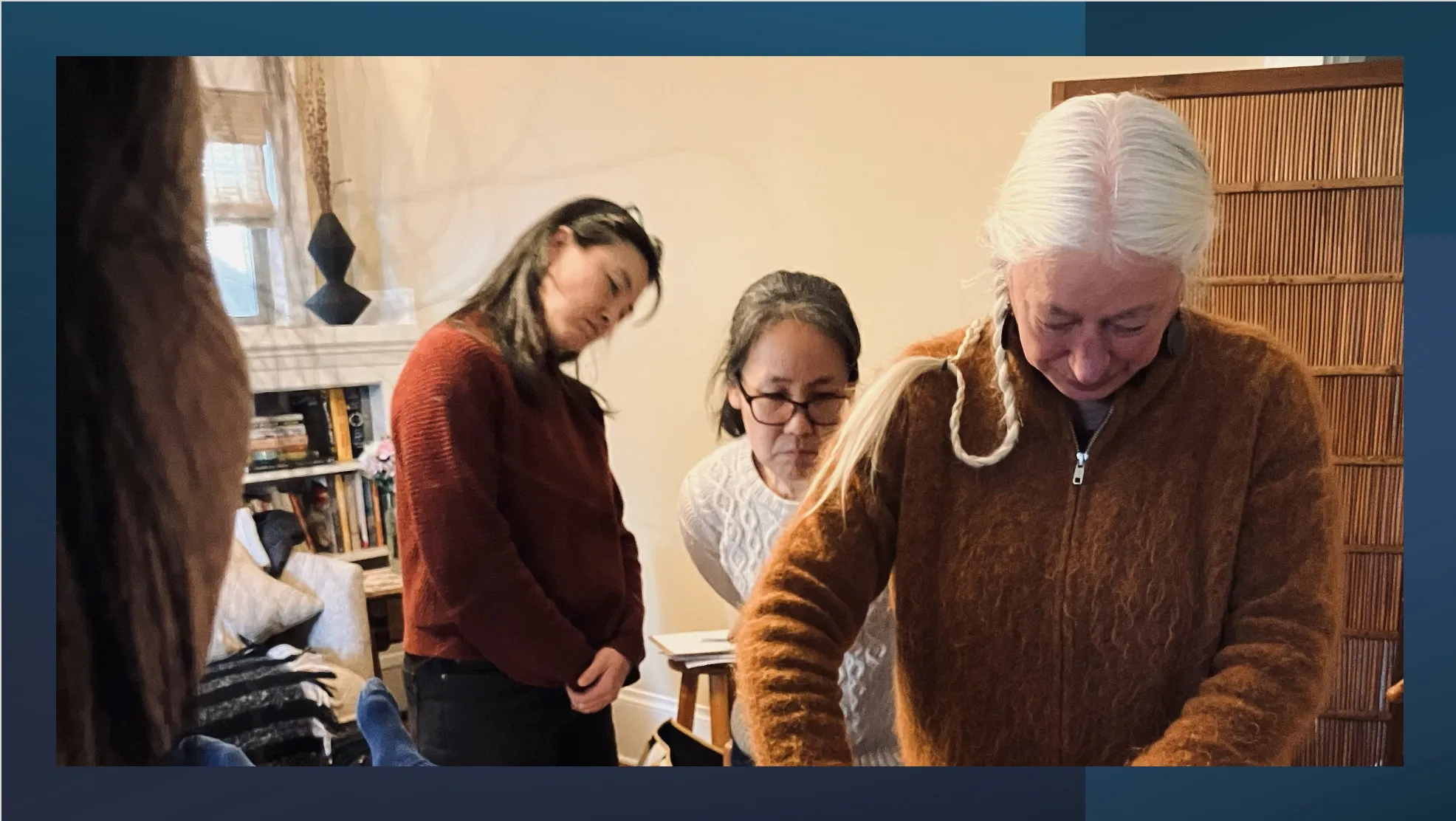
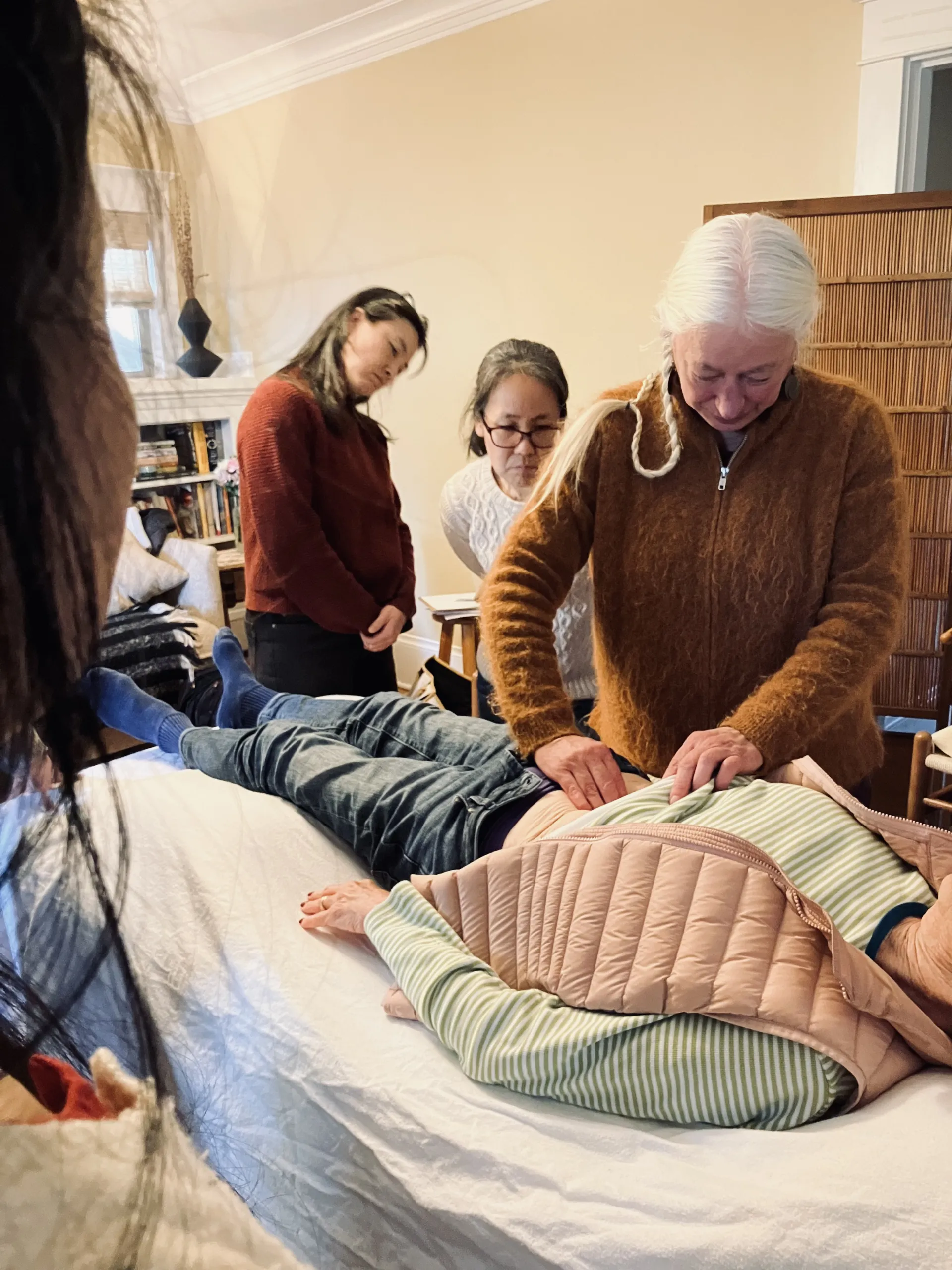
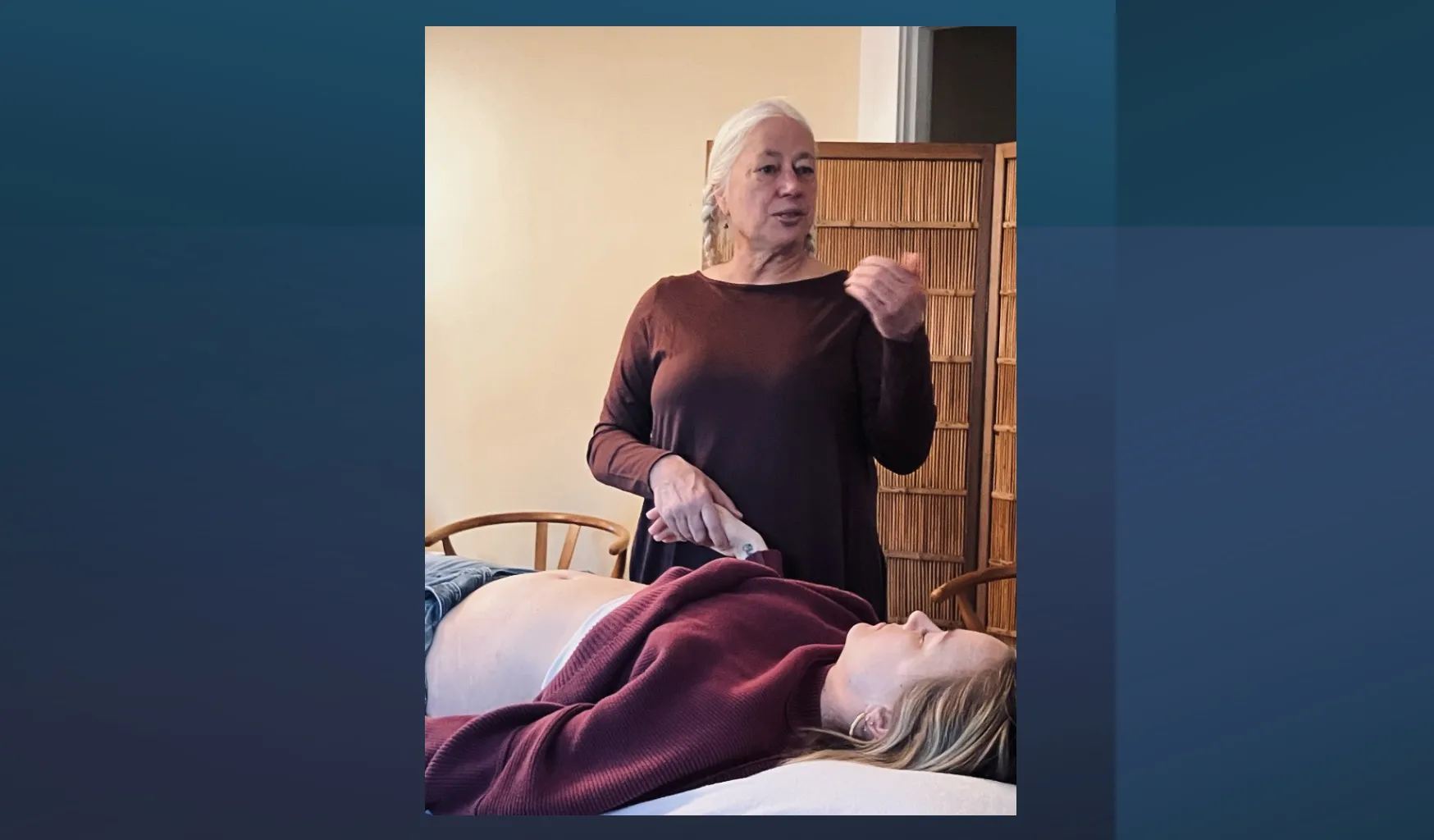
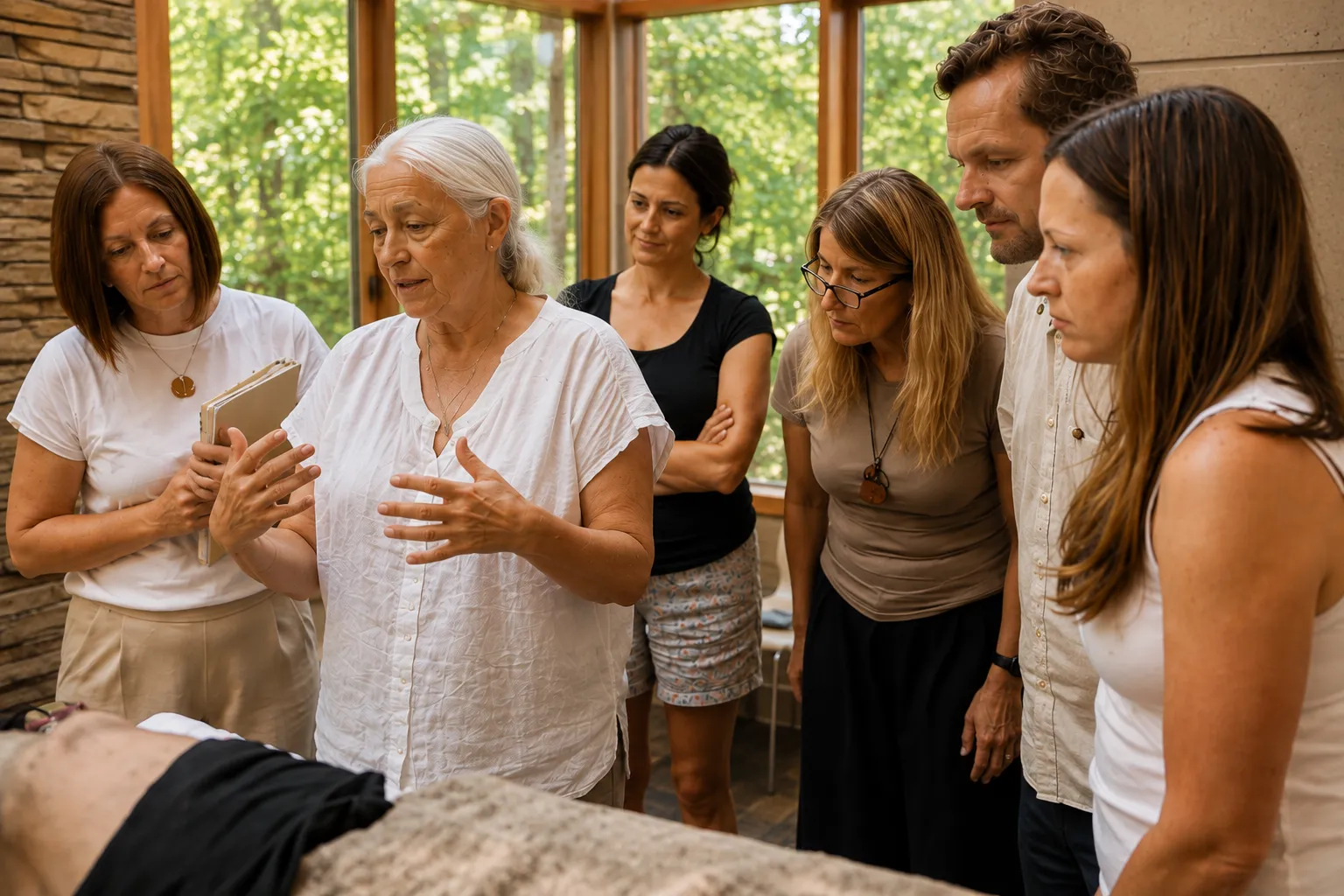
This intensive two-day teaching clinic offers practitioners of Chinese herbal medicine the opportunity to participate in Sharon Weizenbaum’s complete clinical process. From 9:00 to 5:00 each day, Sharon will work with five patients presenting with real and often complicated clinical conditions. Students will observe and participate in each stage of the encounter, from the initial intake through diagnosis, treatment method, formula selection, dosage, and prescription.
The Four Pillars of Diagnosis

Each patient encounter will draw upon the four classical approaches to diagnosis:

Looking diagnosis, in which we observe the patient’s demeanor, complexion, eyes, posture, responsiveness, movements, tongue, and the many other qualities revealed before and during the intake.

Asking diagnosis, in which we inquire carefully and purposefully, seeking the information needed to clarify the entire presentation without losing sight of the person before us.

Listening and smelling diagnosis, in which we listen not only to the patient’s words but also to the sound and quality of the voice, breathing, emotional tone, and other subtle resonances. At the same time, we attend to our own impressions and responses to the patient.

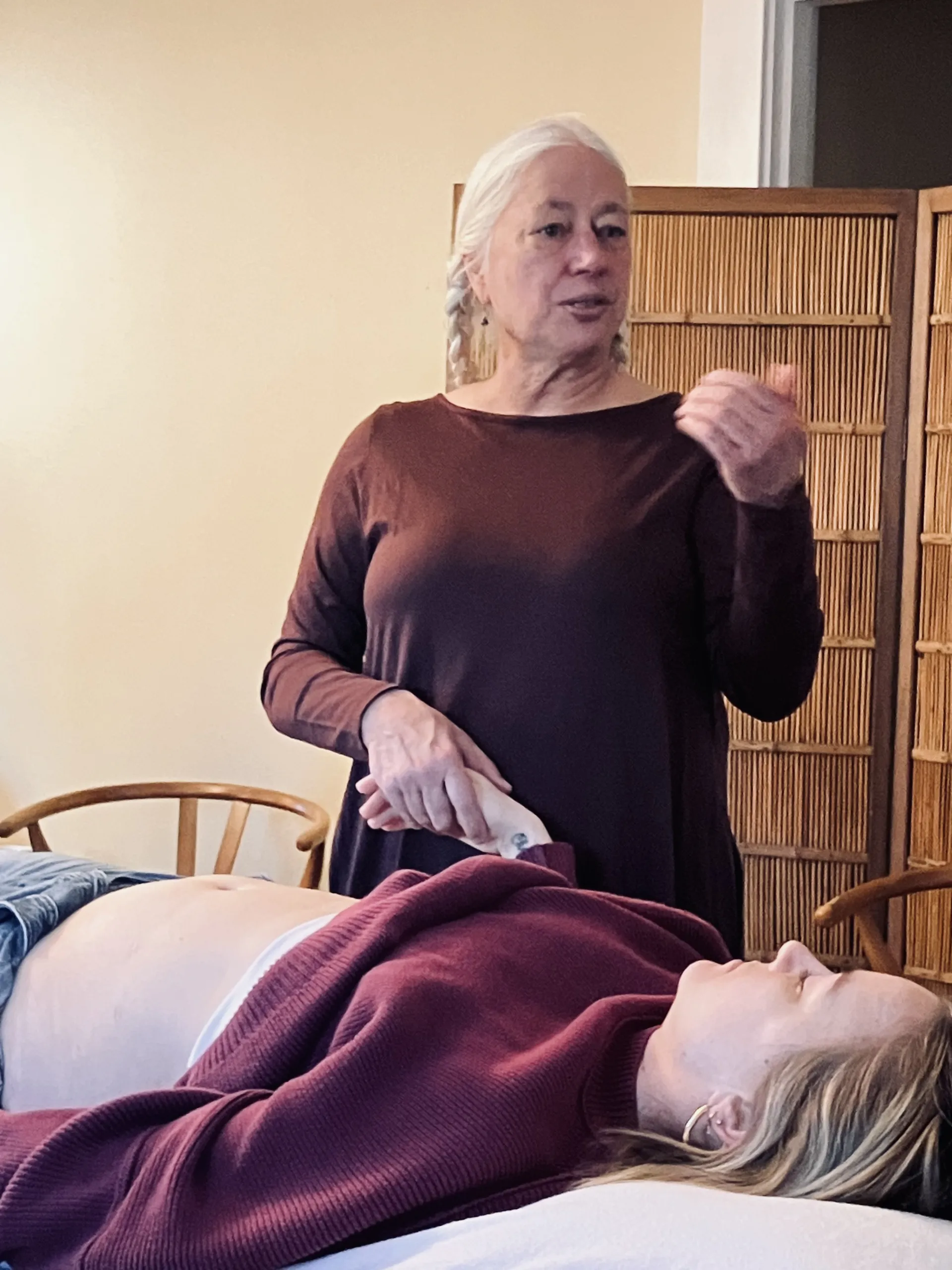
Touching diagnosis, in which students will palpate the pulses and abdomen. Through repeated hands-on practice with five patients each day, students will have an unusual opportunity to compare findings and calibrate their palpation skills with Sharon and with one another.

Seeing the Whole Presentation

Once the information has been gathered, Sharon will demonstrate how she sorts what is significant from what is secondary or incidental. She will show how a complex collection of symptoms, signs, pulse qualities, and abdominal findings can be organized into a succinct and reliable diagnosis that encompasses the whole patient.

Her diagnostic process is grounded in the physiology expressed in the Huángdì Nèijīng and brought to clinical life by Zhāng Zhòngjǐng in the Shānghán Zábìng Lùn. This is a classically based jīngfāng clinic in which diagnosis is not merely matched to a disease name or list of symptoms. Instead, the patient’s presentation is understood through the movement and physiology of the body as a whole.

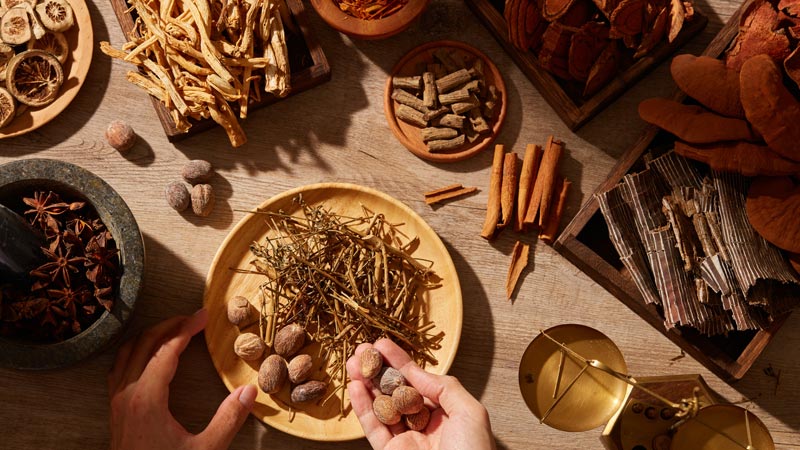
an arial view of hands holding and counting out Chinese herbs in a large group of herbs in wooden bowls, plates, and boxes on a wooden counter

From Diagnosis to Method to Formula

A clear diagnosis reveals a treatment method. The treatment method, in turn, guides the construction of the formula.

For every patient, Sharon will discuss:

  • How she organizes the information gathered during the intake
  • Which findings carry the greatest diagnostic significance
  • How the pulse and abdominal findings clarify or challenge the initial impression
  • How she articulates the diagnosis and treatment method
  • How the diagnosis leads to a classical formula pattern
  • Why a particular formula is selected or modified
  • How individual herbs and dosages are chosen
  • How the final prescription is written

Students will be able to follow and question the entire process, including the clinical decisions that might otherwise remain hidden in the experienced practitioner’s mind. Sharon is particularly skilled at slowing down and deconstructing her clinical reasoning so that students can see not only what she decides, but how she arrives there.

A clear diagnosis reveals a treatment method. The treatment method, in turn, guides the construction of the formula.

For every patient, Sharon will discuss:

  • How she organizes the information gathered during the intake
  • Which findings carry the greatest diagnostic significance
  • How the pulse and abdominal findings clarify or challenge the initial impression
  • How she articulates the diagnosis and treatment method
  • How the diagnosis leads to a classical formula pattern
  • Why a particular formula is selected or modified
  • How individual herbs and dosages are chosen
  • How the final prescription is written

Students will be able to follow and question the entire process, including the clinical decisions that might otherwise remain hidden in the experienced practitioner’s mind. Sharon is particularly skilled at slowing down and deconstructing her clinical reasoning so that students can see not only what she decides, but how she arrives there.

an arial view of hands holding and counting out Chinese herbs in a large group of herbs in wooden bowls, plates, and boxes on a wooden counter

Testimonial

Tolley Sink:

I had a wonderful experience at Sharon’s Teaching Clinic in Boulder. The environment was relaxed and supportive, making it easy to fully engage and learn. The clarity I gained was incredible—everything seemed to come into focus. It was a great opportunity to see Sharon’s teachings come to life and deepen my understanding. I especially appreciated seeing the flow of Sharon’s intake process and how she places emphasis on certains aspects of the diagnosis. It wasn’t just like your usual shadowing clinic experience because we had the time for teaching and explaining as we went. It was dynamic and engaging. Common abdominal palpatory mistakes and tongue diagnosis errors were brought to light and pulse taking skills were calibrated. I highly recommend it for anyone looking to enhance their herbal diagnosis skills in a nurturing setting. It was an experience of a lifetime — don’t miss it!

Julie Johnson

I attended Sharon’s small-group teaching clinic in Boulder and it was a fantastic experience! Sharon guided us through the diagnostic process in real time, and it was a truly enriching learning opportunity. In this particular class, we practiced looking diagnosis, abdominal palpation, and pulse taking before asking questions or even finding out the patient’s main complaint. It was astounding how much we could understand about the state of the patient’s wheel and six conformations through objective measures alone, and many times we began to narrow in on a formula family before hearing a word from the patient. We then got to witness Sharon’s careful questioning process and hear more about her thought process as she gathered information. We completed each case with an in-depth discussion of herb and formula choices. If you get the opportunity to attend one of these clinics, don’t hesitate! I would highly recommend this class to anyone interested in deepening their herbal and diagnostic skills.

Deborah Mizeur

I jumped at the opportunity to attend a live Teaching Clinic with Sharon, and I am so glad I did. One of my particularly challenging patients signed up to be seen by Sharon in the clinic. I learned so much watching Sharon’s process – noticing the things I had missed or gotten wrong in my own assessment. Sharon recommended a formula for the patient that worked almost immediately to resolve her symptoms. I am a better practitioner for attending the Teaching Clinic and I will definitely be attending again soon. Thank you, Sharon!

Throughout both days, there will be ample time for questions, discussion, and direct feedback on pulse and abdominal palpation.

Who This Teaching Clinic is Intended For

This clinic is intended for all practitioners of Chinese herbal medicine who want to deepen their classically based clinical reasoning and develop a more reliable path from patient encounter to prescription. Participants will leave with a clearer understanding of how to move from a complicated presentation to a clear diagnosis, treatment method, and formula.
Toronto, Canada

In-Person Clinical Rounds Teaching Clinic

Date: September 25-26, 2026 9:00 AM – 5:00 PM EST
Location: 3 Munro St, Toronto, ON M4M 2B7, Canada

Daily Schedule

9am – 12pm: See patients, teaching abdominal, pulse diagnosis and inquiry diagnosis. Write herbal perscriptions. Q+A

12pm – 1pm: Lunch Break

1pm – 5pm: See patients, teaching abdominal, pulse diagnosis and inquiry diagnosis. Write herbal perscriptions. Q+A

14 “Live” CEUs (NCCAOM & California)

Amherst, Massachusetts

In-Person Clinical Rounds Teaching Clinic

Date: November 21-22, 2026 9:00 AM – 5:00 PM EST
Location: 86 Henry Street, Amherst, MA 01002

Daily Schedule

9am – 12pm: See patients, teaching abdominal, pulse diagnosis and inquiry diagnosis. Write herbal perscriptions. Q+A

12pm – 1pm: Lunch Break

1pm – 5pm: See patients, teaching abdominal, pulse diagnosis and inquiry diagnosis. Write herbal perscriptions. Q+A

14 “Live” CEUs (NCCAOM & California)

Berlin, Germany

Date: Full-day Teaching on Diagnosis is the Key, December 4, 2026 9:00 am – 5:00 pm CET
Click Here to Find out More About Full Day Training →
Two-day Teaching Clinic: December 5-6, 2026 9:00 AM – 5:00 PM CET
Location: TBA

Daily Schedule

9am – 12pm: See patients, teaching abdominal, pulse diagnosis and inquiry diagnosis. Write herbal perscriptions. Q+A

12pm – 1pm: Lunch Break

1pm – 5pm: See patients, teaching abdominal, pulse diagnosis and inquiry diagnosis. Write herbal prescriptions. Q+A

Graduate Mentorship Program ››

Healthy Seminars Courses ››

White Pine Circle Courses ››

Live Teaching Clinics ››